Desert Storm Roofing
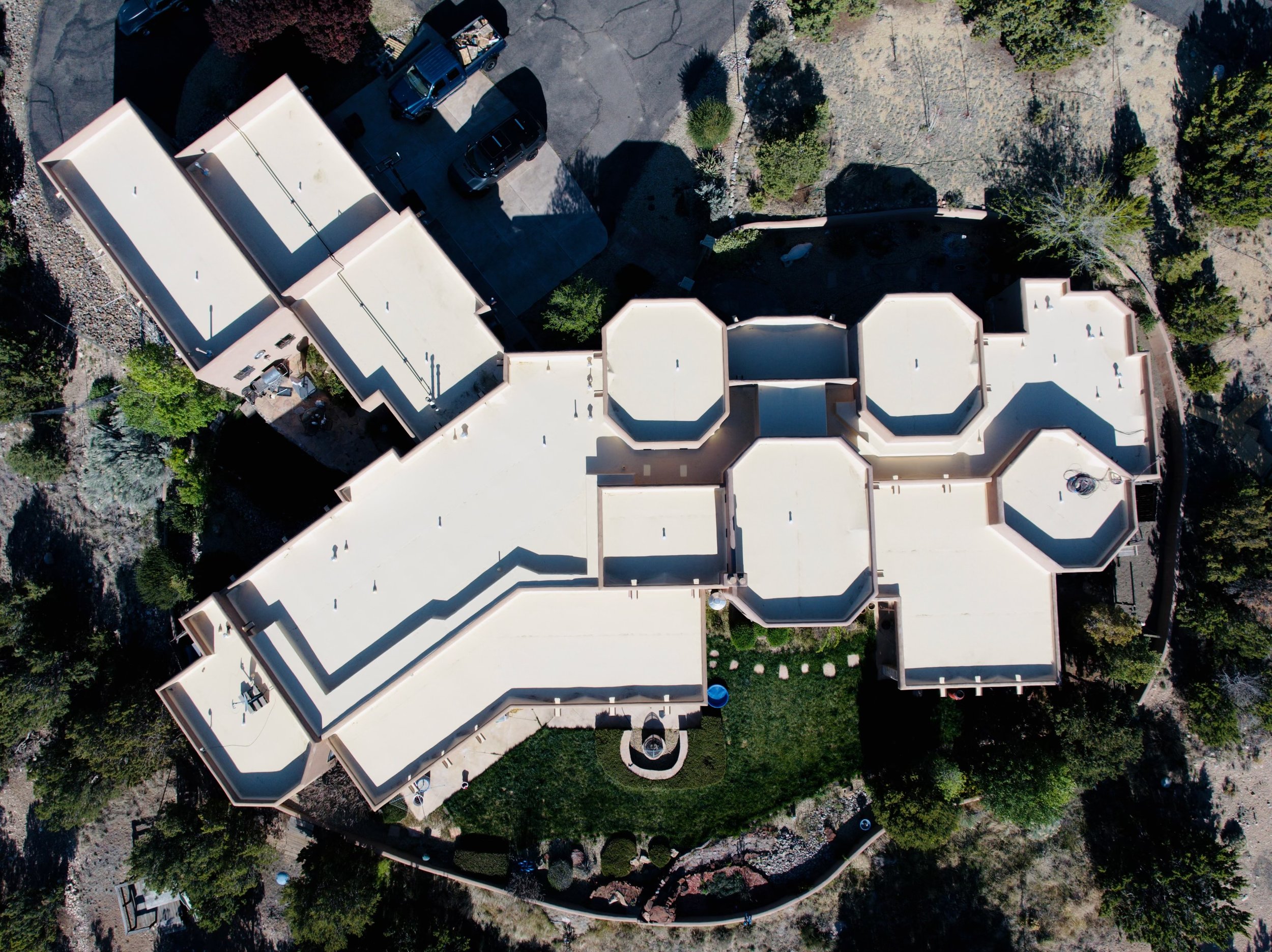
Aerial view of a residential roof in New Mexico

Desert Storm Education

Know the weather. Know your options. Know what to do next.

Clear, practical guidance for Albuquerque and greater New Mexico homeowners — from the first sign of storm damage to the final roofing decision.

01 / Local weather

How Albuquerque weather works on a roof

New Mexico roofs see sharp changes in conditions: intense sun, spring wind, summer thunderstorms, hail, heavy rain, and winter weather. The National Weather Service Albuquerque office lists high winds, large hail, lightning, and heavy rain among the severe-weather hazards that affect the state.

The NWS designates New Mexico's monsoon season as June 15 through September 30. During that period, thunderstorm activity increases, and downburst winds, dust, lightning, flash flooding, and hail can all become part of the weather picture.

The useful takeaway is not to worry about every storm. It is to know what changed, document it safely, and address small warning signs before they become interior damage.

Weather reference: National Weather Service Albuquerque

After a storm

From the ground and only when it is safe, look for changes that deserve a closer inspection:

  • Missing, lifted, cracked, or visibly bruised shingles
  • Loose metal panels, exposed fasteners, or damaged flashing
  • New stains, drips, overflowing drainage, or damp attic areas
Request a photo-documented inspection

02 / Roof systems

Shingle, metal, or TPO?

There is no universal best roof. The right system depends on the roof's slope, the home's existing conditions, the look you want, and how you want to balance upfront cost with long-term performance. Here is a useful starting point.

Pitched residential

Shingle roofing

A practical choice for homeowners who want familiar curb appeal, broad color options, and dependable asphalt-shingle protection. The details matter: underlayment, ventilation, flashing, and clean installation all belong in the conversation.

Long-term upgrade

Pro-panel metal

Metal roofing brings a crisp, modern look and decades of durability to the right home. Reflective finishes can also be a consideration in a high-sun desert climate, alongside color, profile, and installation details.

Flat & low-slope

TPO roofing

TPO is a single-ply membrane system suited to flat and low-slope roofs. A watertight result depends on careful detailing at edges, drains, and penetrations, along with properly heat-welded seams.

What to ask for in an estimate

Compare the details, not just the total.

  • • Which system fits the roof slope and existing structure?
  • • What flashing, ventilation, and drainage work is included?
  • • Which materials and finish options are being proposed?
  • • How will storm damage and the project scope be documented?
Talk through your options

Coverage is policy-specific

Start with facts, not assumptions.

New Mexico's Office of Superintendent of Insurance says most standard homeowners' insurance policies cover hail damage to a roof, but policies may include cosmetic exclusions or separate, higher deductibles for wind or hail. Review your policy with your insurance agent before assuming what is covered.

Read the New Mexico OSI guidance

03 / Insurance claims

A clearer path after storm damage

A claim can feel complicated when you are also dealing with a damaged home. The process becomes easier when the condition of the roof is documented clearly and every party is working from the same scope.

  1. 1

    Document what you can safely see

    Photograph visible damage from the ground, note when it happened, and keep records of any emergency mitigation or related expenses.

  2. 2

    Contact your insurance company

    Ask about the claim process, inspection timing, deductibles, and any steps your policy requires. Your insurer determines coverage under your policy.

  3. 3

    Get the roof condition documented

    A thorough inspection can separate storm-related damage from maintenance issues and give you a clearer repair or replacement scope to discuss.

  4. 4

    Compare the scope before work begins

    Ask questions about materials, flashing, ventilation, and the work included. Keep your estimate, claim documents, and communication together in one place.

How Desert Storm can help

We provide photo-documented inspections, coordinate with your adjuster, and keep communication clear from the claim to the completed roof. Coverage decisions remain with your insurer.

Start with a free inspection

Ready when you are

Bring us the questions. We'll bring you a clear next step.

Get a free, no-pressure estimate from a licensed and insured New Mexico roofing contractor.

Education only: weather conditions, roof conditions, and insurance coverage vary by property and policy. The independent resources linked above are provided for homeowner reference; your insurance company and policy documents control coverage decisions.